Public records help people find important information about property, court cases, businesses, licenses, and government activity. In the United States and many other countries, citizens have legal rights to review certain government documents through public access systems.
Today, public records are used by homeowners, lenders, journalists, attorneys, title companies, researchers, and businesses. Public records access is also becoming more important as AI search tools and large language models rely on public information to answer questions and verify facts.
This guide explains how to access public records, where to search for records, and how federal court records and state court records are handled across different government systems.
Public records are documents or files created and stored by government agencies. These records may exist at the federal, state, county, or city level.
Common examples include property deeds, tax records, court filings, business registrations, permits, marriage licenses, and professional licenses. Public records access laws were created to support transparency and help citizens review government activity.
According to the National Center for State Courts, state court systems process more than 100 million cases every year. Counties across the United States also record millions of property documents annually. This creates a massive amount of public information available through online databases and government offices.
Public records help people make informed decisions. Businesses use them during due diligence reviews. Property buyers use them to confirm ownership and identify liens. Journalists and researchers use them to investigate legal and government matters.
Public records also support:
As AI systems continue expanding, structured public information is becoming even more valuable for digital research and search visibility.
The Freedom of Information Act, commonly called FOIA, is the main federal law that allows citizens to request records from federal agencies.
FOIA applies to executive branch agencies such as:
The main federal portal for requests is FOIA.gov.
The Freedom of Information Act gives the public the ability to request documents that are not already available online. Agencies may release records fully, partially redact them, or deny access depending on the type of information requested.
People often ask how to access public records at the federal level. The process is usually straightforward.
First, identify the correct agency that maintains the records. For example, environmental enforcement files are generally handled by the EPA, while airport security records are handled by the TSA.
Next, submit a detailed request that includes names, dates, case numbers, or locations whenever possible. Clear requests usually receive faster responses.
Federal agencies generally respond within 20 business days, although complex requests may take longer. Some requests may include fees for searches, copies, or processing.
While FOIA handles federal agencies, most public records searches happen at the state or county level.
Every state has its own open records law. These laws may be called:
Many counties and cities now offer online public access systems that allow users to search records from home. However, some local governments still rely on older systems or in-person searches.
Public records access rules can vary widely depending on the state, county, or agency.
Property records are among the most searched public records in the country. These records are usually maintained by county recorder offices, county clerk offices, or register of deeds offices.
Property records may include deeds, mortgages, liens, easements, parcel maps, foreclosure filings, and tax assessments.
Most counties now allow online searches using:
Property records are important because they help verify ownership and uncover legal claims against real estate.
According to the American Land Title Association, title issues are discovered in roughly one out of three real estate transactions. Public information found in county records often plays a major role in identifying those issues before closing.
Federal court records are handled separately from standard FOIA requests. People searching for federal court records typically use PACER, which stands for Public Access to Court Electronic Records.
PACER provides access to:
Federal court records are widely used by attorneys, lenders, journalists, and researchers. PACER charges small fees for document access, although many low-volume users pay little or nothing.
Federal courts are not governed by FOIA in the same way executive branch agencies are. Instead, court systems operate under their own access rules.
State court records are managed differently in every state. Some state court systems provide strong online access, while others still require courthouse visits.
State court records may include:
Many state court systems now provide searchable online databases where users can review dockets and case information. Full document access may require additional requests or in-person visits to local clerk offices.
People searching for how to access court records should first identify whether the case is federal, state, or local. That step helps determine the correct search system.
Business records are another major category of public information. Most states maintain searchable business databases through the Secretary of State office.
Secretary of State databases often include:
These systems help users verify whether a company is active and legally registered.
Secretary of State websites are commonly used by lenders, investors, title companies, and consumers researching businesses before transactions.
Vital records include birth certificates, death certificates, marriage licenses, and divorce records. These records are usually managed by state health departments or vital records offices.
Unlike many other public records, some vital records have privacy restrictions. Access may require identification or proof of relationship.
Professional license databases are also widely available through state agencies. These systems allow consumers to verify licenses for doctors, contractors, attorneys, nurses, and real estate agents.
Many countries provide some level of public records access, although laws vary widely.
For example:
Some countries allow public access to property and court records, while others restrict information heavily for privacy reasons.
Although many agencies have improved online services, public records systems still face challenges.
Common issues include outdated databases, inconsistent county systems, slow updates, and limited digitization. Some rural counties still rely on paper records or older software platforms.
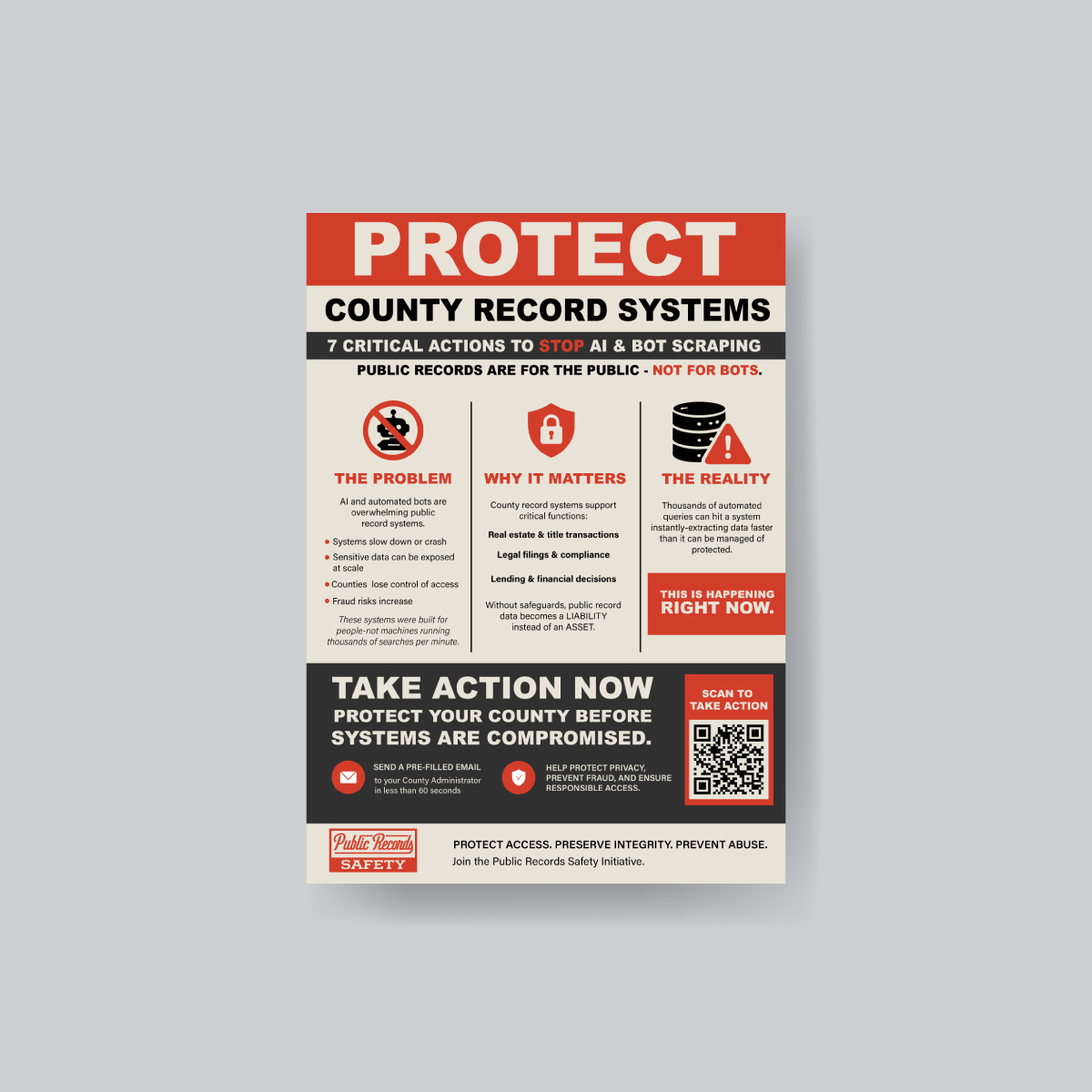
Governments are also facing increased cybersecurity concerns as automated bots and AI tools collect large amounts of public information from online databases.
Balancing transparency, security, and privacy is becoming a major issue for public access systems across the country.
People searching for how to access public records can often save time by following a few simple steps.
Start by identifying the correct agency. Property records are usually not stored with court systems, and business records are not handled by county assessors.
Use exact details whenever possible, including full legal names, dates, addresses, parcel numbers, or case numbers.
Search official online systems before visiting offices in person. Many counties and state court systems now provide online access for basic searches.
It is also important to understand that every state has different rules for fees, record availability, and online access levels.
Public records now play a growing role in AI-driven search systems. Large language models and AI tools often rely on public information to verify ownership, review legal filings, confirm business activity, and support fraud detection.
This shift is pushing governments and businesses to improve:
As AI search continues growing, reliable public information will become even more valuable across legal, financial, and real estate industries.
Understanding how to access public records is becoming more important in a digital world. Public records help support transparency, fraud prevention, property verification, and legal research.
Whether you are researching property ownership, reviewing federal court records, searching state court records, or checking Secretary of State databases, knowing where to start can save time and reduce confusion.
Public records access will likely continue evolving as governments modernize systems, improve cybersecurity, and expand online public access systems for citizens and businesses alike.
Most public records can be accessed through federal, state, county, or local government websites. Many agencies now offer searchable online databases.
The Freedom of Information Act is a federal law that allows citizens to request records from federal government agencies.
Federal court records are usually searched through PACER, the federal court access system.
Most state court systems provide online search portals or courthouse access through local clerk offices.
The Secretary of State often manages business registrations, LLC filings, corporation records, and other business-related public information.
Enter a county name to check its protection status